
History timeline
Five broad eras in the evolution of northern-coast lighthouse stations
A concise chronology for readers, educators, and researchers: each era summarizes shared coastal patterns in engineering, staffing, and preservation without claiming one single-station record.
-
Early Signals
Fire Above the Headlands
Before purpose-built towers, elevated fires and simple daymarks helped mariners read dangerous approaches.
-
Masonry Era
Towers Built to Endure
Stone and brick structures brought permanent lights, protected lantern rooms, and living quarters to exposed points.
-
Lens & Mechanism
A More Precise Beam
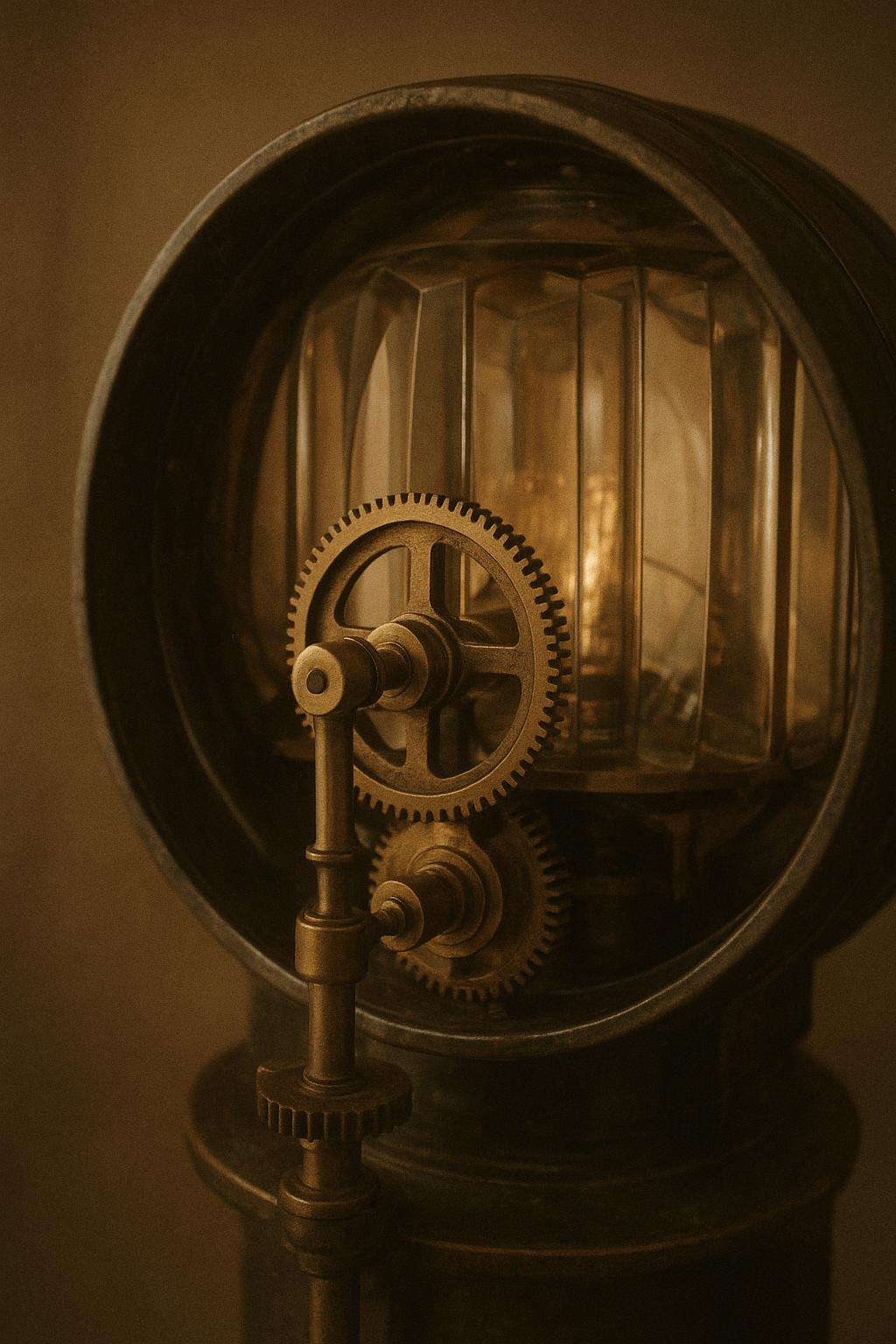
Improved optics and clockwork mechanisms gave each station a more recognizable pattern across the water.
-
Changing Service
From Family Stations to Crews
Daily life evolved as supply routes, communications, and maintenance practices became more organized.
-
Preservation
Keeping the Towers Visible
Automation changed the keeper’s role, while local preservation efforts protected many surviving structures and stories.